

Briefings

Readings, not trophies.

The scenes below are composites drawn from the kind of work the desk accepts. They are not case studies of named clients, they are not testimonials, and they do not describe investment results. Nothing here is an invitation to deal.

An analyst presenting a paper briefing to colleagues in a modest meeting room

How to read this page. Each briefing is an illustration of process. We do not publish client names, portfolio outcomes, or any figure that could be mistaken for a track record. If you need evidence of a regulated performance history, you will not find it here, because this desk does not manage money.

A handshake across a table of closed folders

Composite · Trustee board

A new trustee needed the pension commentary in sentences

A board in the west of Scotland had a quarterly pack that ran to ninety pages of manager slides. A newly appointed trustee could not tell which number was cash, which was a valuation change, and which was a target the manager hoped to meet.

The desk rewrote one quarter as a twelve-page commentary. It opened with three sentences: what had been paid into the arrangement, what income had arrived, and which three holdings now represented more than half of the quoted book. The rest of the paper showed where each of those sentences came from in the custodian statement.

The useful outcome was not a market call. It was a meeting in which every trustee could point to the same line. The board kept its existing managers. Our work stopped at the paper and one conversation.

Composite · Family office

Three industrials, one set of questions

A family asked for a side-by-side of three UK-listed industrial companies they already owned. We refused a ranking. We asked each business the same five questions about cash conversion, customer concentration, lease debt, pension deficit and dividend cover, and we put the answers in one table with the source page beside each cell. The family used the table to decide which annual report to read first. They did not ask us what to sell, and we would not have answered.

Composite · Founder

A second reading of a buyer’s pack

A founder preparing for a trade sale wanted someone outside the transaction to read the information pack the buyer had circulated. The note listed which earnings adjustments were defined, which were not, and which working-capital lines moved in a way the narrative did not mention. It was a reading for the founder and their solicitor. It was not a valuation opinion and not a fairness opinion.

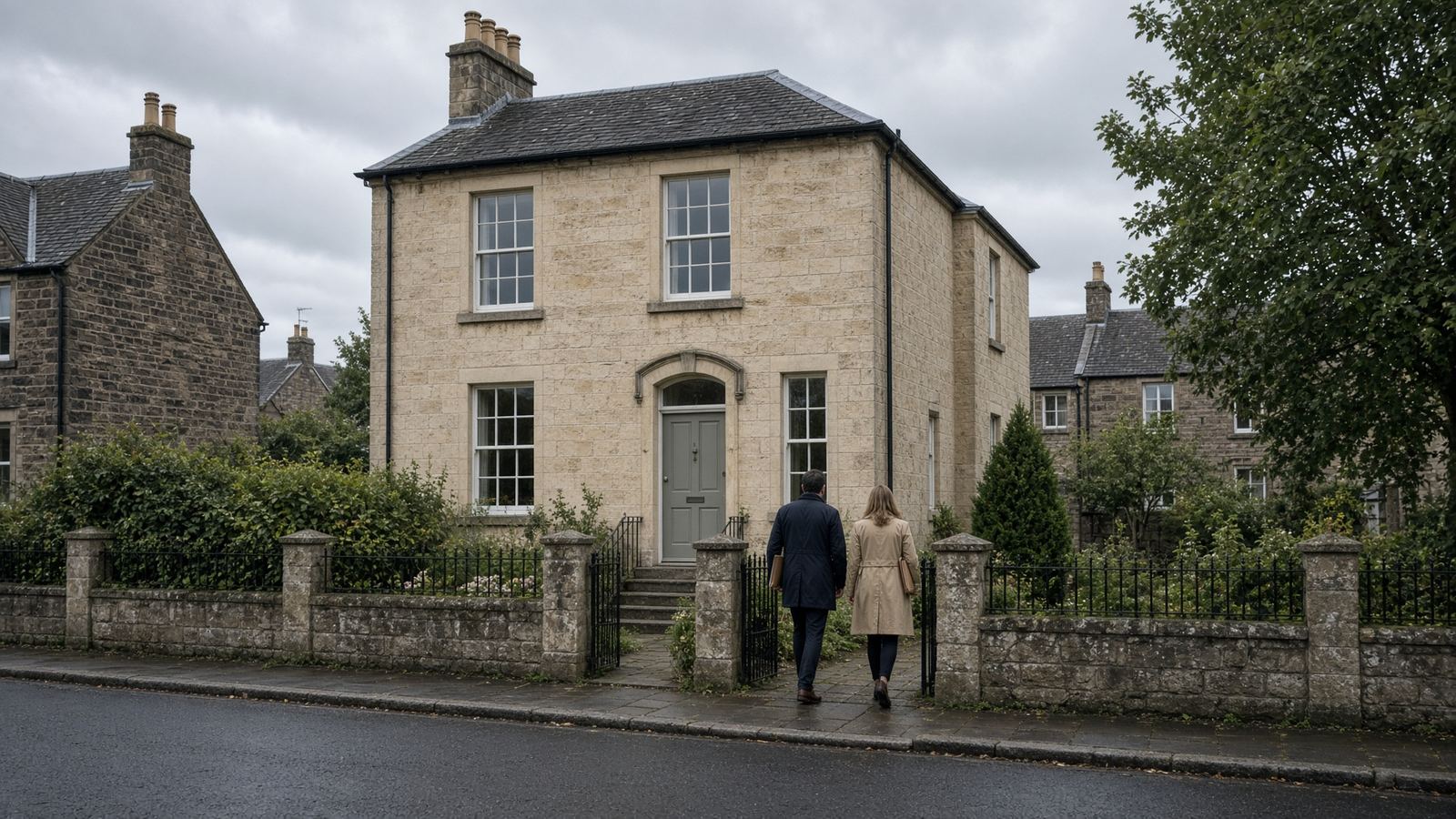
A man walking a quiet sandstone street with a document folder

Who the composites resemble

Trustees, family committees, and owners of private companies. We rarely write for people who want a morning note before the market opens. The work is slower than that, and it is meant to be.

A small sandstone office on a quiet residential road

Where the paper goes

A PDF, dated, with the sources listed. You may share it inside your board. You may not republish it, and you may not present it as a personal recommendation to someone whose circumstances we have not considered. We have not considered anyone’s personal circumstances.

Shelves of bound reports in the reading room

What we keep

A copy of the signed note and the source list, for as long as the privacy notice describes. We do not keep broker passwords because we never ask for them. Old notes stay as they were signed.

If your question looks like one of these

Write with the documents you already have and the date you need the paper. We will tell you plainly if the question is one this desk can answer.

Describe your briefing